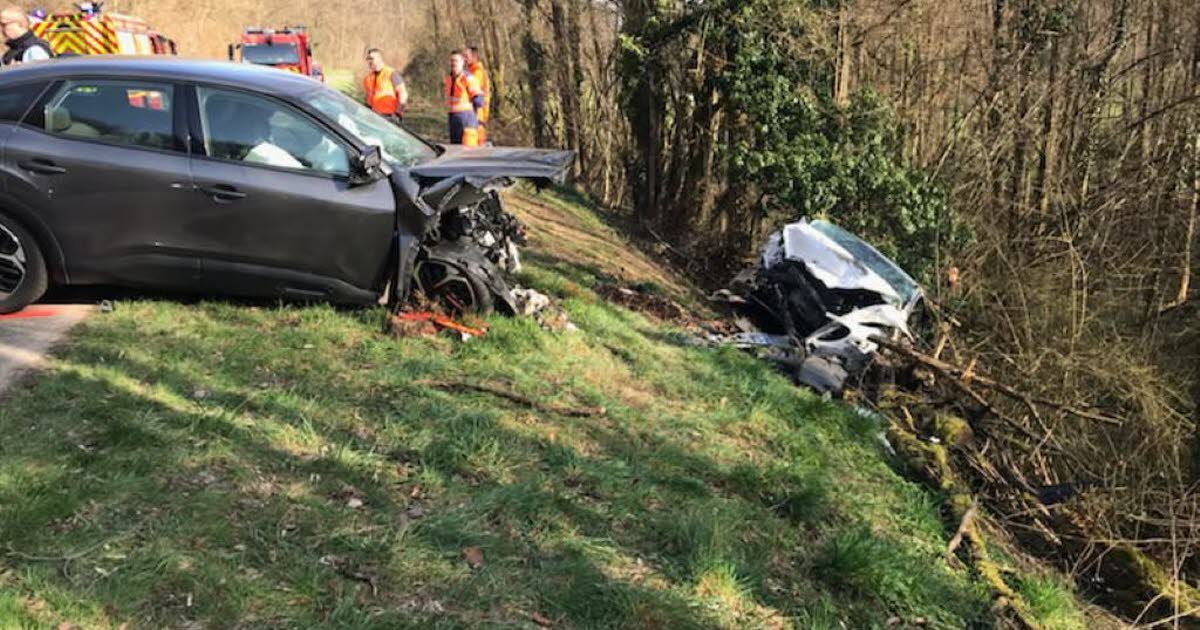
D30 Road Closed: Emergency Teams Respond to Pouligney-Lusans Crash
A severe road accident has brought traffic to a standstill on the D30 departmental road, specifically near the tranquil commune of Pouligney-Lusans. Emergency services, including a significant deployment of firefighters and medical teams, were dispatched following a violent head-on collision involving two light vehicles. The incident, which occurred on Wednesday, March 4, 2026, around 1:30 PM, has resulted in five individuals sustaining critical injuries, necessitating an extensive rescue operation and a complete closure of the D30 between Pouligney and Roulans.
The swift response underscores the gravity of the situation, as authorities work tirelessly to manage the scene, provide care to the injured, and investigate the circumstances leading to this tragic event. For residents and commuters in the Doubs region, this Accident Pouligney Lusans serves as a stark reminder of the inherent dangers on our roads and the critical importance of road safety.
Immediate Aftermath: Emergency Response at Pouligney-Lusans
The alarm was raised early Wednesday afternoon, prompting an immediate and coordinated response from the Service départemental d’incendie et de secours du Doubs (SDIS 25). Firefighters and paramedics arrived quickly at the scene of the Accident Pouligney Lusans, which presented a challenging scenario. The head-on nature of the collision between the two light vehicles meant significant damage and a high likelihood of serious injuries. Initial assessments confirmed the worst: five victims, all classified as being in urgence absolue – a French medical term indicating critical, life-threatening conditions.
Among the injured were four men, ranging in age from 17 to 48, and one woman. The youngest victim, a 17-year-old male, required immediate air evacuation by helicopter to a specialized hospital, highlighting the severity of his condition. Plans for a second air transfer for a 20-year-old man were initially considered but later cancelled, reportedly due to the extreme gravity of his injuries, making ground transport with ongoing medical care a more stable option in that specific instance. Such decisions are often made by on-site medical professionals who continuously assess the best course of action for each patient, balancing speed of transport with the stability required for critical care.
To facilitate the complex rescue and medical operations, the D30 road was fully closed and secured by the gendarmerie and local authorities, including representatives from the Pouligney-Lusans mayor’s office. This neutralization of the road, stretching between Pouligney and Roulans, was crucial for ensuring the safety of emergency personnel and preventing further incidents. Furthermore, an event was opened within the operational management system, Synergi, to streamline communication and coordination among all involved rescue agencies, demonstrating the comprehensive approach taken to manage this major incident.
The Gravity of the Pouligney-Lusans Accident: Understanding Critical Injuries
The term urgence absolue is a critical classification in emergency medicine, signifying that a patient is in a life-threatening condition requiring immediate, intensive medical intervention. For the five victims involved in the Accident Pouligney Lusans, this means they suffered severe trauma, potentially affecting vital organs, leading to internal bleeding, or resulting in severe head or spinal injuries. The urgency of their care dictates rapid transport to the nearest suitable medical facility equipped to handle such complex cases, often a trauma center.
The decision to airlift a patient, as seen with the 17-year-old, is not taken lightly. Air ambulances provide the fastest means of transport over significant distances, crucial when every minute counts. They are also staffed with highly specialized medical teams capable of continuing advanced life support during transit. The complexity surrounding the potential second air evacuation for the 20-year-old, ultimately cancelled, underscores the delicate balance doctors face in managing extremely unstable patients. Sometimes, stabilizing a patient on the ground or during ground transport is deemed safer if their condition is too precarious for the specific dynamics of air travel. For more details on the critical conditions of the victims, you can refer to Pouligney-Lusans: Five Critically Injured in Head-on Collision.
Beyond the immediate medical challenges, severe road accidents like this leave a lasting impact. Victims often face long and arduous rehabilitation processes, both physical and psychological. Families are plunged into uncertainty and distress. Moreover, emergency responders themselves are exposed to traumatic scenes, highlighting the often-unseen toll of their vital work. The young age of some victims, particularly the 17-year-old airlifted, adds another layer of poignancy to this incident. More information on this specific aspect can be found in our article, Pouligney-Lusans Accident: Youngest Victim Airlifted After Crash.
Navigating Road Closures and Traffic Management on D30
The complete closure of the D30 between Pouligney and Roulans due to the Accident Pouligney Lusans significantly impacts local traffic flow. Road closures are implemented for several critical reasons:
- Safety: To protect emergency personnel working on the scene and prevent secondary accidents.
- Access: To provide an unobstructed path for additional emergency vehicles.
- Investigation: To preserve the scene for forensic examination by law enforcement to determine the cause of the crash.
For drivers encountering such closures, patience and adherence to instructions are paramount. Here are some practical tips:
- Check Before You Travel: Always consult local traffic news, radio updates, or navigation apps before embarking on your journey, especially if you regularly use routes like the D30.
- Follow Diversion Signs: Authorities will often put in place official diversion routes. Follow these, even if they seem longer, as they are designed to manage traffic safely.
- Avoid 'Shortcut' Apps: While navigation apps can be helpful, in major incidents, they might direct you down unsuitable or congested minor roads, worsening local traffic.
- Be Patient: Understand that emergency services are working under pressure to save lives and clear the road. Delays are inevitable and for a good cause.
- Stay Informed: Keep an eye on official social media channels for local gendarmerie or prefectural offices for real-time updates on road re-openings.
The gendarmerie plays a vital role not only in managing traffic at the scene but also in controlling access points to the closed section, directing traffic onto alternative routes, and maintaining order. Their presence ensures the safety and efficiency of the entire operation, from rescue to eventual road clearing and investigation.
A Call for Caution: Preventing Future Accidents in the Doubs Region
While the exact cause of the Accident Pouligney Lusans is still under investigation, head-on collisions are among the most devastating types of road incidents. They often occur when a vehicle crosses the centerline, either intentionally or unintentionally. Common contributing factors to such severe crashes include:
- Distracted Driving: Using mobile phones, adjusting infotainment systems, or any activity that takes a driver's attention away from the road.
- Fatigue: Drowsiness impairs judgment and reaction time as severely as alcohol.
- Impaired Driving: Alcohol or drug use drastically reduces a driver's ability to operate a vehicle safely.
- Excessive Speed: Speeding reduces the time available to react to hazards and increases the severity of any impact.
- Improper Overtaking: Misjudging distances or failing to see oncoming traffic during an overtaking maneuver.
- Poor Road Conditions or Visibility: Rain, fog, ice, or inadequate lighting can all contribute to dangerous driving conditions.
To enhance road safety and prevent future tragedies in the Doubs region and beyond, it is imperative for all drivers to adopt responsible driving habits:
- Stay Focused: Eliminate distractions. Put your phone away, set your navigation before you start driving.
- Respect Speed Limits: Adhere to posted speed limits and adjust your speed according to road, weather, and traffic conditions.
- Never Drive Impaired: Arrange for a designated driver, use public transport, or call a taxi if you've consumed alcohol or drugs.
- Get Enough Rest: Ensure you are well-rested before undertaking any journey, especially long ones. If you feel tired, pull over and rest.
- Maintain Your Vehicle: Regular checks of tires, brakes, lights, and fluid levels ensure your vehicle is safe to drive.
- Be Aware of Your Surroundings: Constantly scan the road ahead and around you for potential hazards. Be particularly cautious on rural roads, which may have fewer barriers or wider lanes, increasing the risk of head-on incidents.
The collective responsibility of every road user is crucial in creating safer driving environments. Road safety campaigns, infrastructure improvements, and strict enforcement of traffic laws all play a part, but ultimately, individual choices behind the wheel make the biggest difference.
Conclusion
The severe Accident Pouligney Lusans on the D30 road serves as a somber reminder of the unpredictable and often tragic nature of road incidents. With five individuals critically injured, the focus remains on their recovery and the ongoing investigation into the crash's cause. This event underscores the dedication of our emergency services and the critical importance of effective coordination in crisis situations. As the community comes to terms with the aftermath, it is a potent call to action for every driver: vigilance, responsibility, and adherence to traffic laws are not merely legal obligations but moral imperatives that can save lives and prevent heartache. Let this unfortunate incident be a catalyst for renewed commitment to road safety for all navigating the roads of the Doubs region and beyond.