Pouligney-Lusans Plunged into Emergency: Five Critically Injured in Head-on Collision
The tranquil landscape near Pouligney-Lusans in the Doubs department of France was shattered on Wednesday, March 4, 2026, when a devastating head-on collision unfolded on the D30 road. Occurring around 1:30 PM, this severe
Accident Pouligney Lusans involved two light vehicles, leaving five individuals in critical condition and immediately triggering a massive emergency response. The incident underscores the inherent dangers present on even seemingly quiet stretches of road and the profound impact such events have on communities. Local authorities, emergency services, and medical personnel were quickly mobilized to the scene, highlighting the coordinated efforts required to manage major traffic incidents. The gravity of the situation was evident from the outset, with all five victims classified in "urgence absolue," signaling life-threatening injuries. This catastrophic event serves as a stark reminder of the importance of vigilance and road safety for everyone traversing the region's thoroughfares.
The Devastating Human Toll: Five Victims in Critical Condition
The aftermath of the head-on collision on the D30 road presented a scene of intense medical urgency, as emergency responders confronted the critical injuries sustained by all five occupants of the two vehicles. The Service Départemental d’Incendie et de Secours du Doubs (Sdis 25) reported that among the critically injured were four men, aged 17, 20, 48, and one whose age was not immediately specified, alongside one woman. The sheer number of severely injured individuals, all categorized in a state of absolute emergency, placed immense pressure on the responding medical teams and logistical resources.
One of the most immediate priorities was the rapid evacuation of the victims to specialized medical facilities. The youngest victim, a 17-year-old male, was swiftly transported by helicopter to a regional hospital, a testament to the life-saving urgency of immediate specialized care for severe trauma cases. Such aerial evacuations are reserved for the most critical patients, where speed and direct access to advanced medical treatment are paramount.
Intriguingly, a second helicopter transport, initially planned for the 20-year-old male victim, was ultimately canceled. This decision, attributed to the extreme severity of his injuries, highlights the complex judgments made by medical professionals at the scene. In such critical scenarios, every decision, from the method of transport to the destination hospital, is carefully weighed to maximize the patient's chances of survival and recovery. It underscores that sometimes, even with access to air rescue, ground transport might be deemed more stable or appropriate depending on the specific nature and extent of the injuries. The entire community holds hope for the recovery of all those affected by this tragic
Pouligney-Lusans crash, emphasizing the fragility of life on our roads.
Coordinated Emergency Response and Road Management
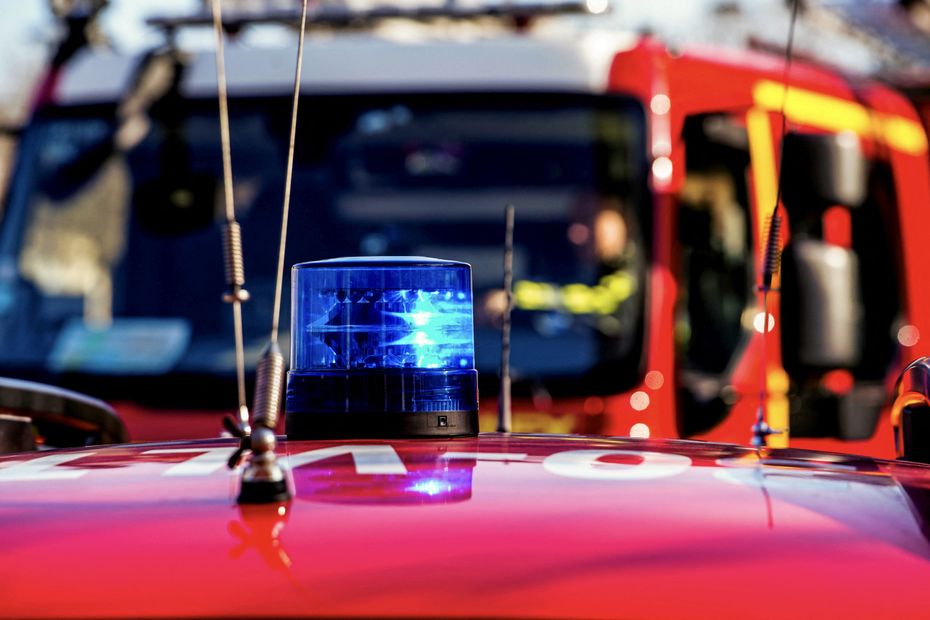
The immediate aftermath of the severe road accident in Pouligney-Lusans saw a textbook response from the French emergency services, demonstrating their readiness and efficiency in handling critical incidents. As soon as the alert was raised, firefighters from the Doubs department (Sdis 25) rapidly converged on the scene on the D30 road. Their swift deployment was crucial for managing the immediate dangers, including securing the accident site, providing initial medical aid, and extricating trapped individuals from the wreckage.
To ensure the safety of responders and facilitate unobstructed access for rescue vehicles, the D30 road was completely closed off between Pouligney and Roulans. This crucial measure, known as "neutralization" in French traffic management, prevented further traffic flow through the area, thereby protecting the emergency personnel at work and allowing for the safe landing and takeoff of medical helicopters. The presence of both the local mairie (mayor's office) and the gendarmerie on site underscored the multi-agency approach to such emergencies, integrating local administrative support with law enforcement.
Further enhancing the coordination of this significant event, an incident was opened within the Synergi operational management system. This sophisticated system allows for real-time tracking of resources, victim statuses, and ongoing operations, ensuring that all involved agencies are working from the same critical information. Such integrated management is vital for optimizing resource allocation, communicating effectively, and ultimately improving the outcomes for victims in major incidents like the Pouligney-Lusans accident. The seamless collaboration between these various entities is a cornerstone of effective emergency management, especially when dealing with the complexities of a head-on collision involving multiple critical injuries.
Understanding the Dynamics and Causes of Head-on Collisions
The incident in Pouligney-Lusans serves as a grave reminder of the devastating potential of head-on collisions, which are among the most dangerous types of road accidents. Understanding the common factors contributing to these crashes is crucial for prevention. Typically, head-on collisions occur when a vehicle crosses into the opposing lane of traffic. This can be caused by a multitude of factors, often occurring individually or in combination.
* **Driver Distraction:** Modern life is fraught with distractions, from mobile phones to in-car entertainment systems. Even a momentary lapse of attention can lead a vehicle to drift across the centerline, with catastrophic consequences on undivided roads like the D30.
* **Excessive Speed:** Speed not only reduces a driver's reaction time but also amplifies the force of impact in a collision. On bends or winding roads, excessive speed can cause a driver to lose control and veer into oncoming traffic.
* **Fatigue and Impaired Driving:** Drowsiness significantly impairs judgment and reaction time, mirroring the effects of driving under the influence of alcohol or drugs. Drivers who are fatigued or impaired are far more likely to make critical errors, including veering out of their lane.
* **Improper Overtaking:** Attempting to overtake another vehicle without sufficient clear sight distance or misjudging the speed of oncoming traffic is a frequent cause of head-on collisions, particularly on rural roads.
* **Adverse Weather Conditions:** Rain, fog, ice, or snow can severely reduce visibility and traction, making it easier for vehicles to skid or lose control and cross into the path of oncoming traffic.
* **Road Design and Condition:** While less common, poor road design, inadequate signage, or unexpected road hazards can also contribute to drivers inadvertently entering the wrong lane.
To mitigate the risk of such tragedies, drivers must adopt a proactive and defensive approach. Maintaining strict adherence to speed limits, especially on two-lane roads, and avoiding all forms of distraction are paramount. Planning for rest stops on long journeys and never driving under the influence are non-negotiable safety practices. Furthermore, exercising extreme caution when overtaking and adjusting driving to suit prevailing weather and road conditions can significantly reduce the likelihood of a devastating head-on crash.
Enhancing Road Safety in Rural Areas: A Collective Responsibility
The D30, like many departmental roads in France, traverses rural landscapes, presenting a unique set of challenges for road safety. While they often carry less traffic than major highways, rural roads can paradoxically be more dangerous due to higher average speeds, unexpected turns, varying road surfaces, and the potential for wildlife encounters. The severe
Accident Pouligney Lusans serves as a stark reminder of these specific risks.
Rural roads often lack the safety features common on motorways, such as median barriers that prevent head-on collisions, ample shoulders for emergency stops, or extensive lighting. Drivers on these roads must therefore be exceptionally vigilant. Here are some actionable tips for enhancing safety:
* **Anticipate Hazards:** Scan the road far ahead for potential dangers such as sharp bends, intersections, concealed driveways, or unexpected obstacles.
* **Adjust Speed Appropriately:** Respect speed limits, but also be prepared to reduce speed further based on road conditions, visibility, and the presence of curves or hills. Faster speeds provide less time to react to unforeseen events.
* **Maintain Focus:** Avoid complacency, even on familiar routes. Rural roads can change rapidly due to weather or seasonal conditions.
* **Be Aware of Wildlife:** Animals frequently cross rural roads, especially at dawn and dusk. Drive defensively and be prepared to react safely.
* **Safe Overtaking:** Only overtake when you have absolute certainty of clear sightlines and sufficient space. If in doubt, do not risk it.
Road safety is not solely the responsibility of individual drivers. Local authorities, like the ones involved in the Pouligney-Lusans incident, play a vital role in maintaining road infrastructure, improving signage, and implementing safety enhancements where necessary. Community awareness campaigns can also contribute to fostering a culture of responsible driving. Through a collective commitment to vigilance, cautious driving, and continuous improvement in road infrastructure, we can work towards reducing the frequency and severity of tragic events like the recent collision near Pouligney-Lusans.
Conclusion
The head-on collision on the D30 near Pouligney-Lusans on March 4, 2026, which left five individuals critically injured, is a tragic reminder of the inherent dangers of our road network. The swift and coordinated response by the Doubs emergency services, the gendarmerie, and local authorities underscores the professionalism and dedication required in such crises. While the investigation into the precise causes of this specific incident will undoubtedly continue, the broader lessons surrounding driver vigilance, appropriate speed management, and the avoidance of distractions remain universal. As the critically injured victims fight for recovery, the incident serves as a poignant call to action for every driver to prioritize safety, practice defensive driving, and contribute to a culture of responsibility on our roads. Our collective commitment to road safety can help prevent future tragedies and protect lives within our communities.